
Mini Bernedoodles for sale, Tuxedo Bernedoodles for sale, Puppy Culture Breeders, Responsible Breeders, Bad Ass Breeders, Mini Bernedoodle Breeder, Bernedoodle Breeder, Butterscotch Bernedoodles, Cavapoo Breeders, Cavapoo puppies, Fluffy puppies, Hypoallergenic dog breeders, Family friendly dogs, Hypoallergenic puppies, Tricolored Puppies, Red puppies, Tuxedo puppies, Family friendly puppies, Breeding rights, Cavapoos for sale, Poodles for sale, Moyen poodles for sale, Mini poodles for sale, Moyen poodle breeders, Parti poodles, Tricolored Parti poodles, Red poodles, Red Parti poodles, Poodle studs,
Poodle studs in Utah, Tricolor poodle stud, Tricolor Parti poodle stud, Phantom Parti poodle stud, Hidden phantom poodle stud, AKC poodle stud, AKC Mini Poodle studs, AKC Standard Poodle stud, AKC toy poodle stud, Intense red poodle studs, Red AKC poodle stud
About Cuddle Cavapoos


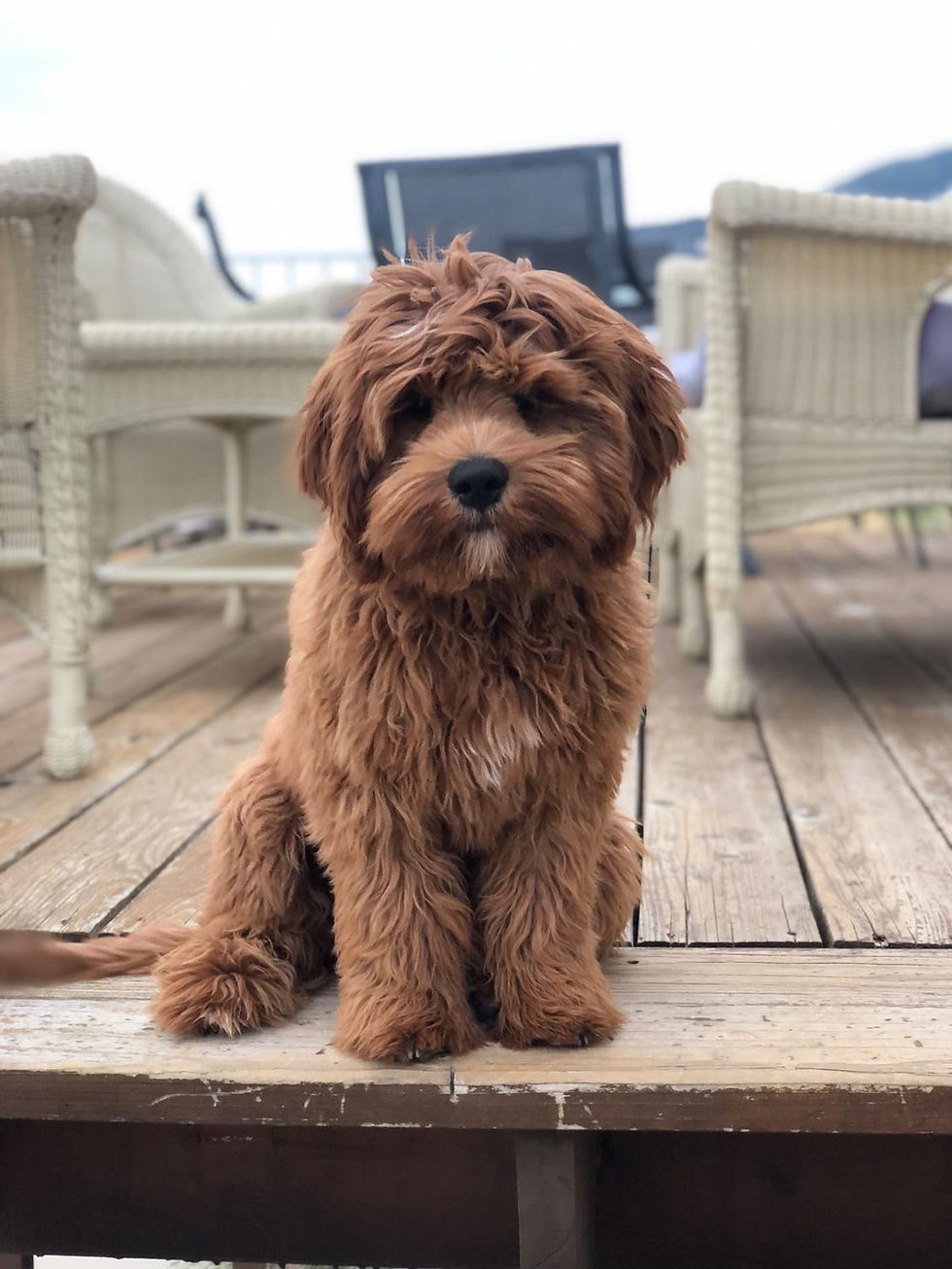


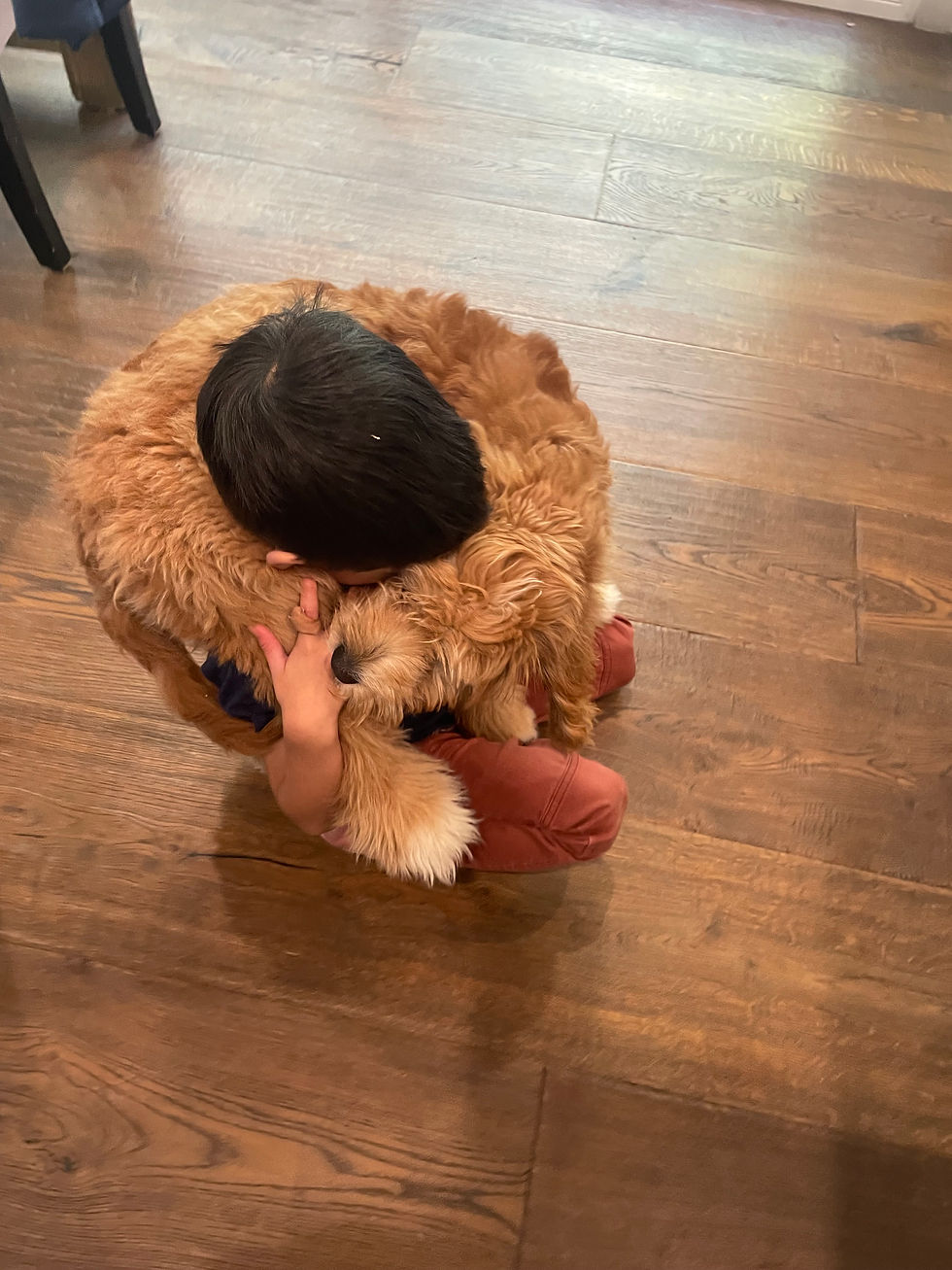


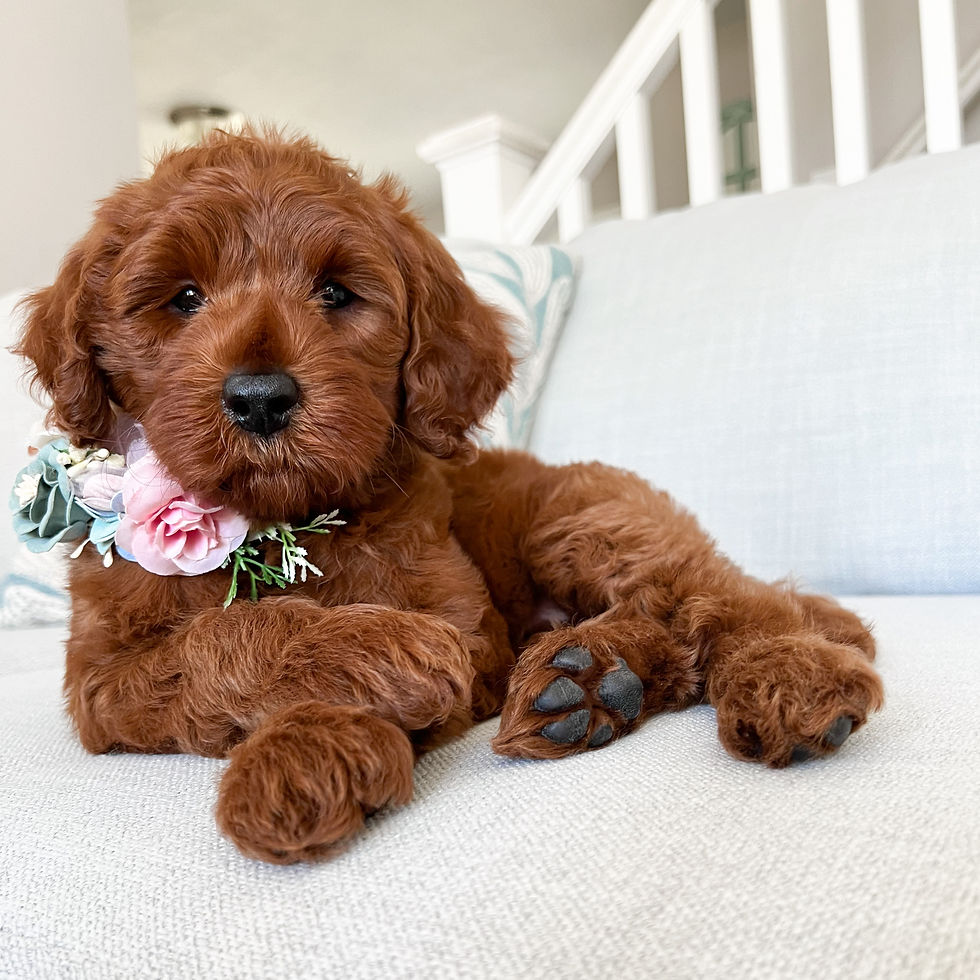


Cavapoos come in many sizes depending on the size of the poodle used, We breed Cuddle Cavapoos that are typically 17-35 lbs depending on the parents we use. Life expectancy is 12-15 years. Our Cuddle Cavapoos can be F1 Cavapoos that have a Cavalier dad and a Small Moyen Poodle mom, or a Multigenerational Cavapoo where both parents are Cavapoos. Their soft fluffy coats are "non" to almost non shedding and require daily brushing and grooming every 2-4 months. They are considered a hypoallergenic breed, but please note every dog will shed as much as a human, even if listed as "non" shed.
Cuddle Cavapoos are incredibly playful and are a delight to play with and watch romping around with their toys. They are so gentle with young kids. They are easily taught tricks and boundaries because they are so eager to please. Perfect more dense lap size dog, and their weight is just the right comforting pressure in your lap, especially for those that may struggle with anxiety or depression. Which is part of what makes them such great comfort dogs,
They are extremely intuitive and loving and learn very quickly which also adds to them being great emotional support animals. They are big enough to go on runs and hikes with their family and they have more sturdy bones and muscles from their Cavalier parents so they can hang with kids and other dogs with less danger of injury than other small breeds. Cavapoos are crazy social and needs lots of affection and attention, and do not like to be left alone too long. It is vital that you crate train them and teach them at a very young age to be comfortable in their crate alone at various times of the day. If you do this then you will help them to not get seperation anxiety and they will feel more calm and confident in their own abilities to self soothe and just over all be a more secure confident dog; this is also true for any dog breed, but especially Cavapoos who are so human focused. This is truly the breed that will steal your heart and soul! They are experts at cuddling and knowing just when you need extra love! They are the Goldilocks of dogs. Not too big. Not too small. Just right.
Cavapoo Guides
How Big Do Cavapoos Get?: Cavapoo size by Poodle parent, and when a Cavapoo is full grown
F1, F1b & Multigenerational Cavapoos: what each generation means for coat and shedding
Do Cavapoos Shed?: furnishings, low-shed genes and allergies, explained
Cavapoo Health & Testing: parent-breed risks, lifespan and how I health test
Cavapoo Temperament: personality, kids, crate training and separation anxiety
Cavapoo Price: what is included and how reservations work
Cavapoo vs Bernedoodle: how my Cuddle Cavapoos and King Bernedoodles compare
Commonly asked questions about Cavapoos:
What is a Cavapoo? A Cavapoo is a cross between a King Charles Cavalier and a Poodle. They are super friendly, social, cuddly and are fabulous lap dogs. Most Cavapoos being made are F1 Cavapoos and are 50% Cavalier and 50% Poodle, using a Poodle parent and a Cavalier parent. Cavapoos can also be made using a F1 Cavapoo bred back to a Poodle making them 25% Cavalier and 75% Poodle those would be called F1b Cavapoos. Another variation is a F1 Cavapoo bred back to a Cavalier making a Reverse F1b Cavapoo resulting in a Cavapoo that is 75% Cavalier and 25% Poodle; those are less common because it can produce some puppies in the litter that are unfurnished and can shed. Another type of Cavapoo is a Multigenerational Cavapoo, these are made breeding a Cavapoo to another Cavapoo of any percentage of Cavalier. These are rising in popularity because breeders have discovered that they can produce puppies that are healthier and have more desirable coats and can increase the percentage of Cavalier in the puppies that are produced. While some Multigenerational Cavapoos can actually be less desirable in health, coat and temperament traits it is always so important to do your research and select your puppy from a breeder that is ethical and has a firm understanding of genetics and their parent dogs being used. Cavapoos are not all created equal and it is important to work with a breeder that understands the genetics and temperament being used to create their Cavapoo Puppies.
How Big Does a Cavapoo Get? Cavapoos come in many sizes because Poodles also come in many sizes, but the most common Poodle size used to make Cavapoos are the Toy and Mini Poodles, making 17 lbs and smaller Cavapoos. When using a Moyen Poodle, 20-40 lbs, those Cavapoos created are called Cuddle Cavapoos and typically range in size from 17-40 lbs, with the average being between 20-30 lbs.
Do Cavapoos Shed? No, but yes. Let me explain: Cavapoos are considered hypoallergenic and many consider them to be non-shedding. However, all dogs will shed to some degree just as humans do. There is a lot of misconception out there about hypoallergenic dogs. Many think that it's the coat texture that determines the shed factor, whether a dog has a curly, wavy or straight coat. But that is wrong and does not have to do with the amount of shedding. The actual genes that determine shedding are the furnishing gene and the shed gene. The furnishing gene being the strongest to determine the amount of shedding, verses the shed gene that mosly determines whether the hair follicle is softer and more fine or thicker/coarser. If a dog has even a single furnishing then they will have hair insead of fur and that is what makes them hypoallergenic and what many would call "non-shed". Fur follicles grow to a certain length and then fall out and replaces itself and that's the shedding that happens in most dogs. Compared to hair follicles that continuously grow with only some falling out, like with humans, but most hair follicles continue to grow and those dogs are the ones that are low to "non" shed and are considered hypoallergenic. Dogs with furnishings will need regular hair cuts every 2-4 months typically. Dogs with 2 furnishings shed even less than dogs with 1 furnishing, even though both are hypoallergenic and hardly shed at all compared to dogs with fur. Dogs with 2 furnishings and 2 low shed genes will shed the very least and are the absolute best for those that may suffer with dog allergies, and the dog's coat will be the softest. Dogs with 2 furnishings and only 1 shed gene will still be great for allergy sufferers and the coat will still be soft. Dogs with 2 furnishing and no low shed genes will still be less shed but their coats may not be as soft and the coat may bother some with allergies. Dogs with 1 furnishing and no low shed genes may shed a little more noticeably but still not very much, but have a higher chance of bothering allergy sufferers. Dogs with no furnishings will have fur and will shed noticeably whether they have 0-2 low shed genes and usually do bother those that have dog allergies. How the two genes interact will determine the shed amount and coat softness. For example many Poodles with 2 furnishings have no low shed genes and their hair has a more coarse feel to it but they still don't shed, at least not anymore than a human. But all Cavaliers do not have any furnishings but do have 2 low shed genes and their fur sheds noticeably but their coat is silky soft.
How long do Cavapoos live? Cavapoos generally live 12 - 15 years. There are many factors that can influence a Cavapoo's lifespan, the main ones are genetics, diet, exercise and preventative care. Purchasing from a reputable breeder who tests both genetically and physically with DNA and OFA testing for health issues in both parent breeds and pairs their dogs responsibly will increase the longevity of a Cavapoo's life. What a dog eats can also affect it's length and quality of life. Regular veterinary visits are also important to catch any issues early on, especially in their senior years starting around 8 years old.