
Mini Bernedoodles for sale, Tuxedo Bernedoodles for sale, Puppy Culture Breeders, Responsible Breeders, Bad Ass Breeders, Mini Bernedoodle Breeder, Bernedoodle Breeder, Butterscotch Bernedoodles, Cavapoo Breeders, Cavapoo puppies, Fluffy puppies, Hypoallergenic dog breeders, Family friendly dogs, Hypoallergenic puppies, Tricolored Puppies, Red puppies, Tuxedo puppies, Family friendly puppies, Breeding rights, Cavapoos for sale, Poodles for sale, Moyen poodles for sale, Mini poodles for sale, Moyen poodle breeders, Parti poodles, Tricolored Parti poodles, Red poodles, Red Parti poodles, Poodle studs,
Poodle studs in Utah, Tricolor poodle stud, Tricolor Parti poodle stud, Phantom Parti poodle stud, Hidden phantom poodle stud, AKC poodle stud, AKC Mini Poodle studs, AKC Standard Poodle stud, AKC toy poodle stud, Intense red poodle studs, Red AKC poodle stud
Do Cavapoos Shed?


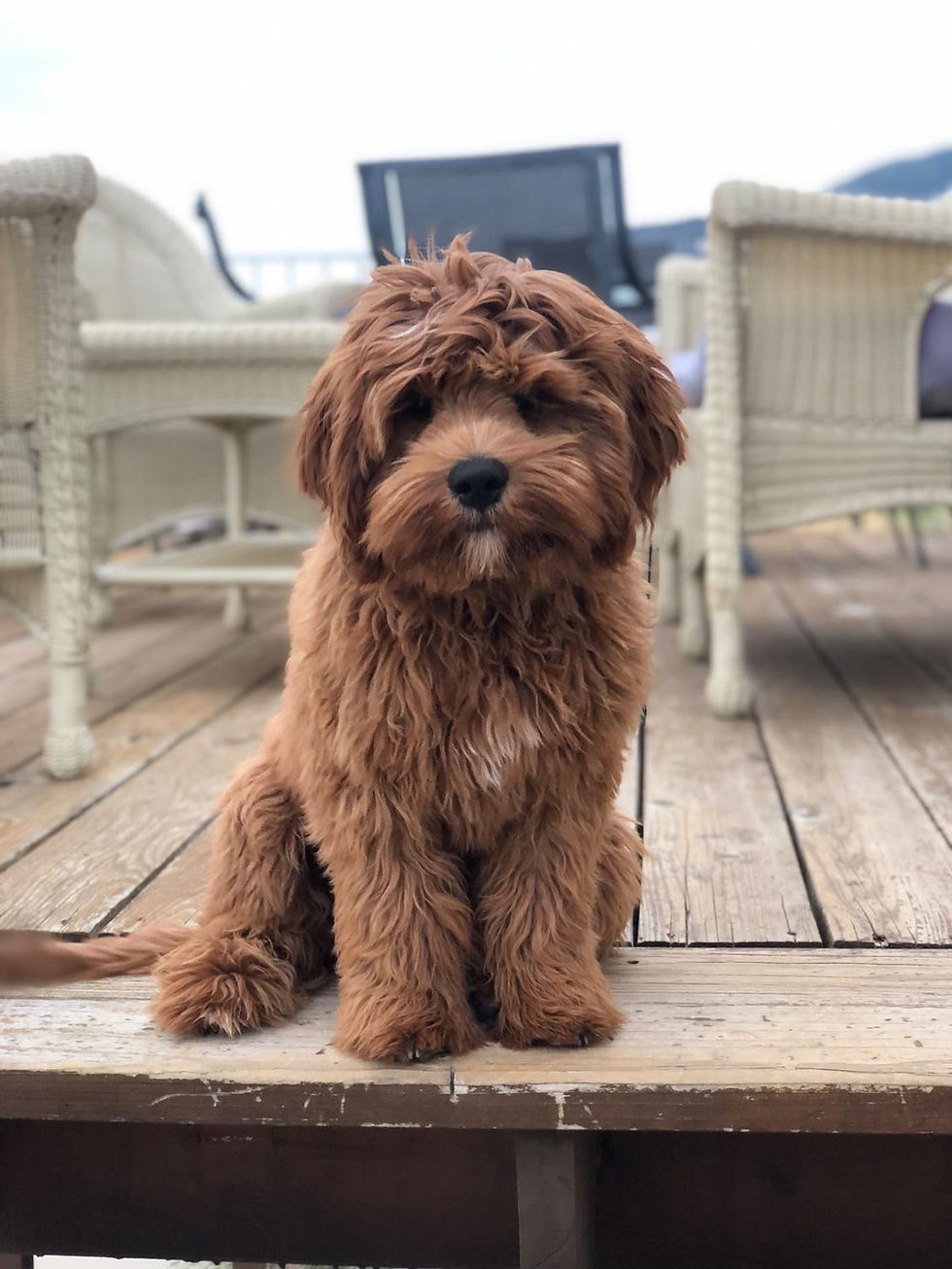




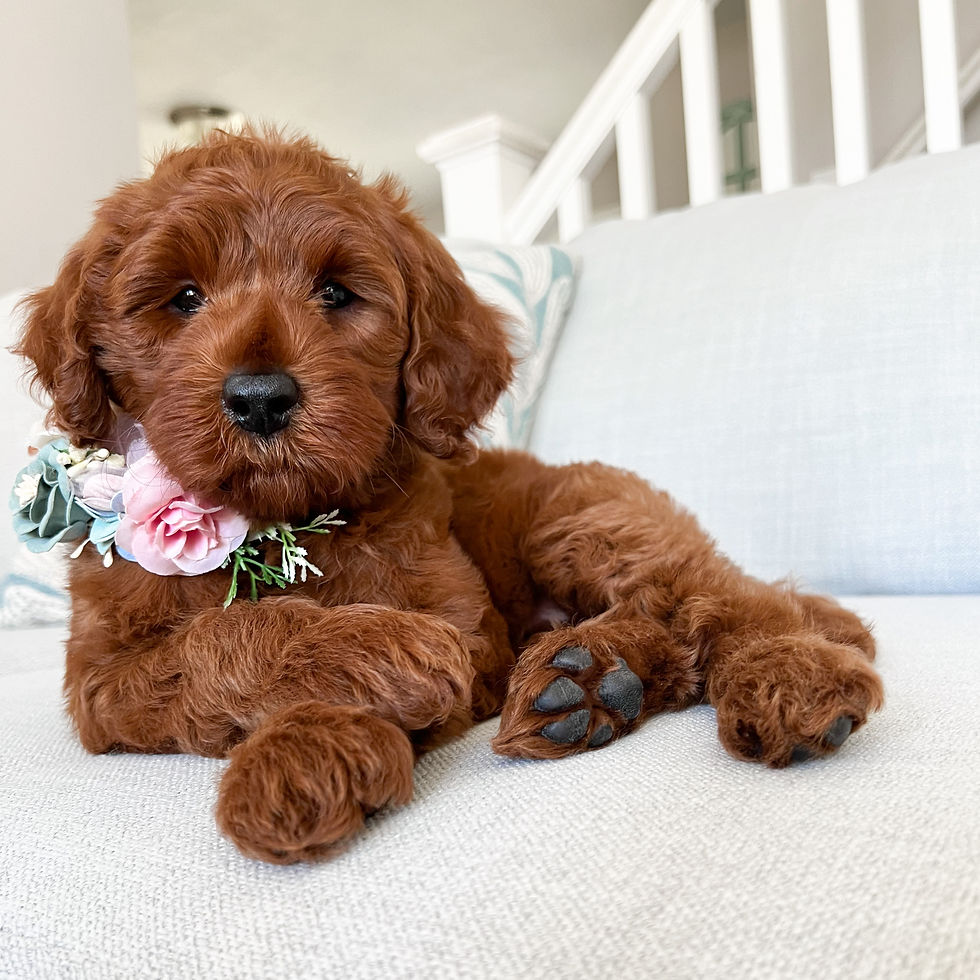


Do Cavapoos shed? It is one of the questions I get asked most, and my honest answer is always the same: no, but yes. Let me explain. Cavapoos are known for soft, fluffy coats that range from "non" to almost non-shedding, and for a lot of families that is exactly what draws them in. But Cavapoo shedding is not a simple yes or no, because the real story lives in the genetics. Once you understand how two key coat genes work, you will know exactly what questions to ask and what to look for in a puppy.
Do Cavapoos Shed? No, But Yes. Let Me Explain.
Cavapoos are considered hypoallergenic, and many people describe them as non-shedding. Here is the honest truth: every dog sheds about as much as a human does. What we really mean by "non-shedding" is whether you are finding hair on your couch, your clothes, and your floors, and that is where genetics makes all the difference.
Two genes do most of the work. The furnishing gene matters most for how much hair ends up around your house. The low-shed gene mostly sets coat softness. Understanding both, and how a puppy inherits them from its parents, is far more useful than looking at a photo and deciding a puppy looks fluffy enough.
Hair vs. Fur: Why Cavapoo Furnishings Matter Most
The furnishing gene (often referred to as RSPO2) is the single biggest factor in whether a Cavapoo coat behaves like hair or like fur. A Cavapoo with furnishings has hair. A Cavapoo without furnishings has fur, and fur sheds noticeably.
Practically, a furnished coat tends to hold onto loose hair instead of releasing it around your home. You brush it out instead of vacuuming it off your furniture. Furnishings also show up as the longer facial hair, beard, and eyebrows, but the appearance is secondary. And furnishings reduce visible shedding; they do not eliminate dander, saliva, or the proteins that can cause allergic reactions.
Why Curl Does Not Decide Whether a Cavapoo Sheds
Families get tripped up by this all the time: a curlier coat is not automatically a lower-shedding coat. Curl is generally controlled by its own separate gene (often referred to as KRT71), apart from furnishings and low-shed genes.
A puppy can look wonderfully Poodle-curly and still have a less favorable combination for shedding, and a puppy with a looser wave can have a great one. DNA results and the parents' genetics give you a much clearer picture than curl ever will.
Lizzy's Cavapoo Furnishing and Low-Shed Gene Combinations
This is the part I get genuinely excited about, because once you see the combinations laid out, everything clicks. Look at furnishings and low-shed genes together, not one or the other:
-
2 furnishings + 2 low-shed genes: The least shedding, the softest coat, and the best option for families with allergy concerns. It is as close as genetics can take you, but no dog gets to zero allergens.
-
2 furnishings + 1 low-shed gene: Still a great outcome. Minimal shedding, and for most families wanting less hair around the house, this works beautifully.
-
2 furnishings + 0 low-shed genes: Still sheds less, because the furnishings are doing their job, but the coat can be coarser, and that may bother some allergy sufferers.
-
1 furnishing + 0 low-shed genes: A little more shedding and a higher allergy risk. One furnishing still means hair rather than fur, and two furnishings shed less than one.
-
0 furnishings: Fur. Fur sheds noticeably. I am direct about this one because I never want anyone to be surprised.
What Poodles and Cavaliers Bring to a Cavapoo Coat
Here is something that surprises people: many Poodles carry two furnishings and zero low-shed genes. All Cavaliers carry zero furnishings and two low-shed genes. So Cavaliers are wonderfully silky and soft, but they shed. Poodles bring the furnishings, but without low-shed genes the coat may be coarser.
When you cross them, you can get a whole range of combinations, which is exactly why two Cavapoos with the same generation label can have completely different coats. Getting both furnishings and low-shed genes in one puppy is not automatic; it comes down to the parents and their individual genetics.
Cavapoo Generations Can Influence Coat Outcomes
Generation labels give useful context, but they are not a substitute for individual coat genetics:
-
F1: 50% Cavalier / 50% Poodle
-
F1b: 25% Cavalier / 75% Poodle
-
Reverse F1b: 75% Cavalier / 25% Poodle. Less common, and for a reason: some puppies in reverse F1b litters are unfurnished and will shed.
-
Multigen: Cavapoo x Cavapoo of any percentage
You can read much more on my F1, F1b & multigenerational Cavapoos page, and the Cuddle Cavapoos page covers everything from size and temperament to what our program looks like. The bottom line: generation tells you the percentage split, not which coat genes an individual puppy inherited. Always ask about furnishings.
Are Cavapoos Hypoallergenic?
Yes and no, and I would rather be honest with you than tell you what sounds good. Cavapoos are commonly considered hypoallergenic because many have low-shedding coats, which means less loose hair around your home. But no dog is completely allergen-free.
The proteins that generally trigger dog allergies (Can f 1 is the best known) are found in saliva and skin, not only in the coat, and studies have generally found measurable allergen levels across breeds, including breeds marketed as hypoallergenic. Low shedding helps with visible hair; it does not eliminate the underlying allergens.
For many families with mild sensitivities, a well-furnished, low-shedding Cavapoo can be a wonderful match. For families with more serious allergies, it is a conversation to have carefully, with your doctor, not just with a breeder. The same principles apply to our other breed; you can read Are King Bernedoodles hypoallergenic? for that side of the family.
The Best Way to Know Whether a Cavapoo Works for Your Allergies
The most practical step is to spend meaningful time around the specific dog or similar dogs before you commit. Not a five-minute visit; several hours if you can. Individual reactions vary from person to person and dog to dog, even within a litter.
For personal allergy concerns, please talk to your doctor or allergist. I can tell you everything about coat genetics, but I cannot tell you how your immune system will respond to a specific dog.
How to Ask a Breeder About Cavapoo Furnishings and Shedding
"Low-shedding" or "hypoallergenic" should be the beginning of the conversation, not the end. Questions worth asking any breeder:
-
How many furnishings does this puppy, or do the parents, carry?
-
Has that been confirmed through DNA testing?
-
What low-shed gene combinations are possible in this litter?
-
What grooming needs should I expect for this coat?
"Hypoallergenic" is a broad label, not a promise. Furnishings are testable, knowable information, and a breeder who takes coat genetics seriously will be happy to walk you through it. If you want to see how we approach health testing and raising our puppies, from Embark DNA testing on our parent dogs to the 10-step handling we start at week three, read why choose us.
Grooming a Low-Shedding Cavapoo Coat
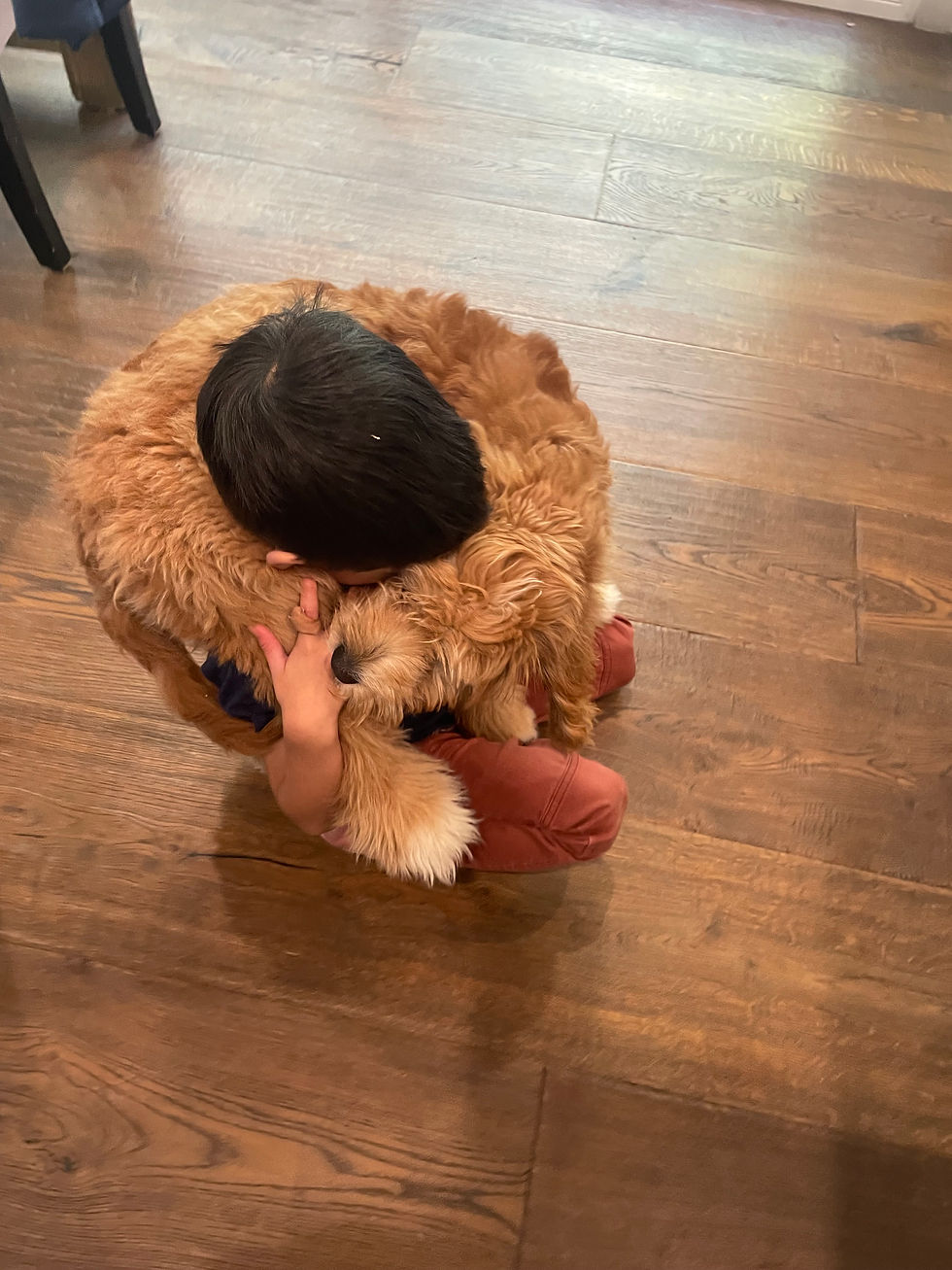
Low-shedding coats still need consistent care. A furnished coat holds onto loose hair rather than dropping it around your house, which is what you want, but that hair will mat if it is not brushed out. Plan on daily brushing and a professional groom every 2–4 months. Your groomer will thank you, your dog will thank you, and honestly, your kids dragging a fluffy, well-kept Cavapoo around the house will thank you too.
Grooming keeps the coat beautiful, but it does not eliminate dander or saliva. Managing coat appearance and managing allergens in your home are related, but not the same goal.
Home Habits That May Help With Dog Allergens
If someone in your home has sensitivities, ask your doctor or allergist what makes sense for you. Commonly suggested household habits include washing hands after handling the dog, keeping the dog out of bedrooms, using HEPA air filtration, damp dusting, and washing pet bedding often. These are general ideas, not a medical treatment plan.
Finding the Right Cavapoo for Your Family
When low shedding matters to your family, here is my practical checklist: ask about furnishings first, then low-shed genes for softness, plan for daily brushing and a groom every 2–4 months, and spend real time around dogs before you commit if allergies are a concern.
The right low-shedding Cavapoo is about coat genetics and your grooming commitment, not just a generation label or the curliest puppy in the photo. When those pieces line up, this breed is genuinely remarkable. They are the Goldilocks of dogs. Not too big. Not too small. Just right.
Take a look at our upcoming puppies, and if you want to compare notes on another doodle coat, read Do King Bernedoodles shed?. I could talk coat genetics for hours, so follow along on Instagram @wonderful_world_doodles and reach out with any questions.
Frequently Asked Questions
Do Cavapoos shed a lot?
Cavapoo coats range from "non" to almost non-shedding, but how much an individual Cavapoo sheds depends on how many furnishing and low-shed genes it carries. Two furnishings and two low-shed genes is the least-shedding combination, while zero furnishings means fur that sheds noticeably. The generation label alone will not tell you which you are getting, so ask about the parents' coat genetics.
Are Cavapoos hypoallergenic?
Cavapoos are commonly considered hypoallergenic because many have low-shedding coats, but no dog is completely allergen-free. The proteins that trigger reactions are generally found in saliva and skin, not only in loose hair. If allergies are a serious concern, please talk to your doctor or allergist before committing to any dog.
What are furnishings in a Cavapoo?
Furnishings are the genetic trait behind the longer facial hair, beard, and eyebrows, and they make the coat behave like hair rather than fur. A furnished coat holds loose hair instead of dropping it around your home. Zero furnishings means a fur coat that sheds noticeably, and two furnishings shed less than one.
Does a curlier Cavapoo shed less?
Not necessarily. Curl is generally controlled by a separate gene from furnishings, so a curly coat and a low-shedding coat are not the same thing. The better question is not "how curly is this puppy?" but "how many furnishings does this puppy carry?"
How often should a Cavapoo be groomed?
Plan on daily brushing and a professional groom every 2–4 months. Low-shedding coats hold onto loose hair, which is great for your floors but means it needs to be brushed out regularly to prevent mats. Getting your puppy comfortable with handling early makes grooming easier for everyone.
Can a low-shedding Cavapoo still trigger allergies?
Yes, it can. Dog allergens are generally found in saliva and skin, not only in the hair you see on furniture. A furnished, low-shedding Cavapoo reduces visible hair, but it does not eliminate those proteins, so spend extended time around dogs before committing and talk with your doctor or allergist about your situation.