
Mini Bernedoodles for sale, Tuxedo Bernedoodles for sale, Puppy Culture Breeders, Responsible Breeders, Bad Ass Breeders, Mini Bernedoodle Breeder, Bernedoodle Breeder, Butterscotch Bernedoodles, Cavapoo Breeders, Cavapoo puppies, Fluffy puppies, Hypoallergenic dog breeders, Family friendly dogs, Hypoallergenic puppies, Tricolored Puppies, Red puppies, Tuxedo puppies, Family friendly puppies, Breeding rights, Cavapoos for sale, Poodles for sale, Moyen poodles for sale, Mini poodles for sale, Moyen poodle breeders, Parti poodles, Tricolored Parti poodles, Red poodles, Red Parti poodles, Poodle studs,
Poodle studs in Utah, Tricolor poodle stud, Tricolor Parti poodle stud, Phantom Parti poodle stud, Hidden phantom poodle stud, AKC poodle stud, AKC Mini Poodle studs, AKC Standard Poodle stud, AKC toy poodle stud, Intense red poodle studs, Red AKC poodle stud
F1, F1b & Multigenerational Cavapoos


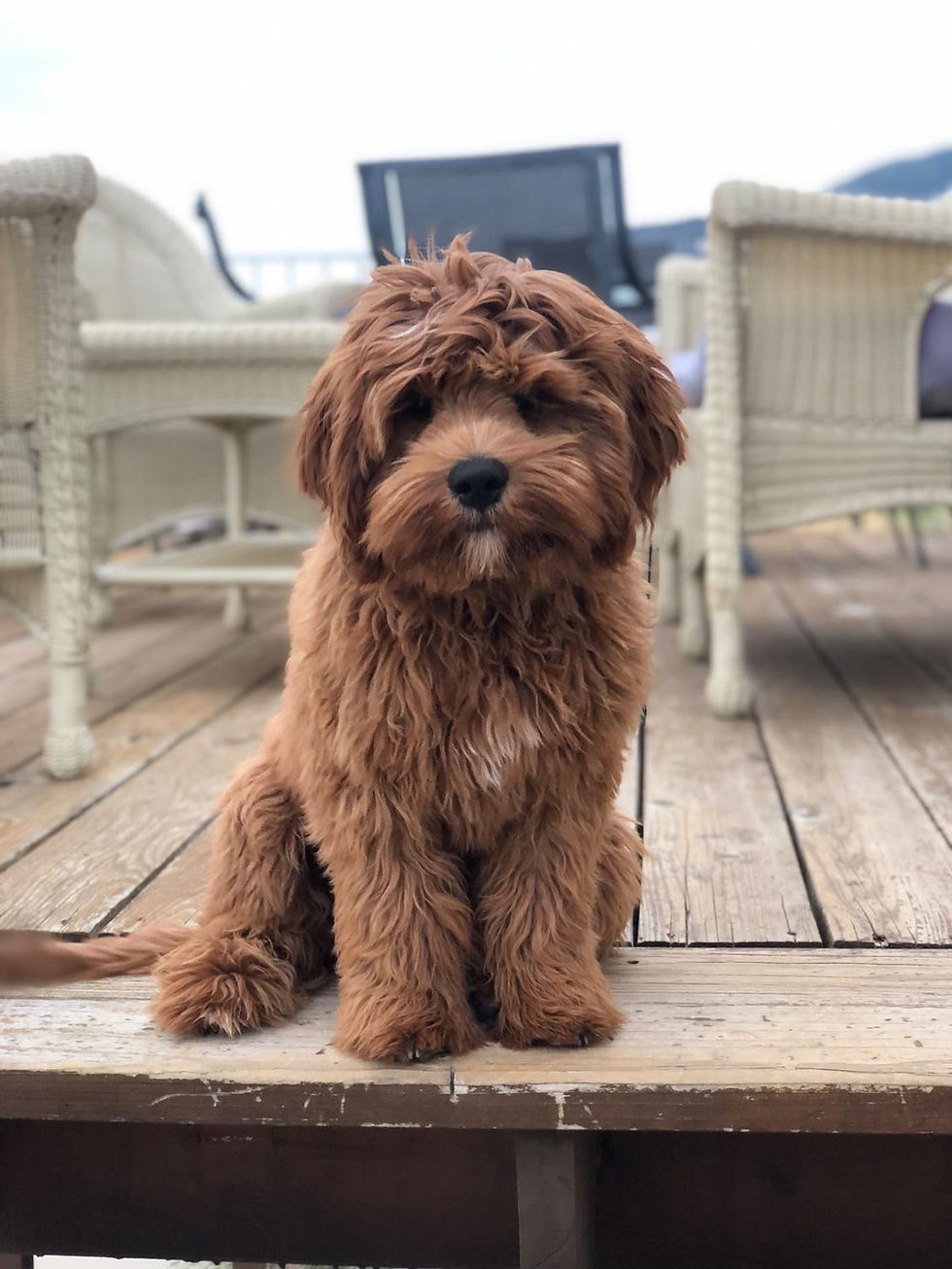


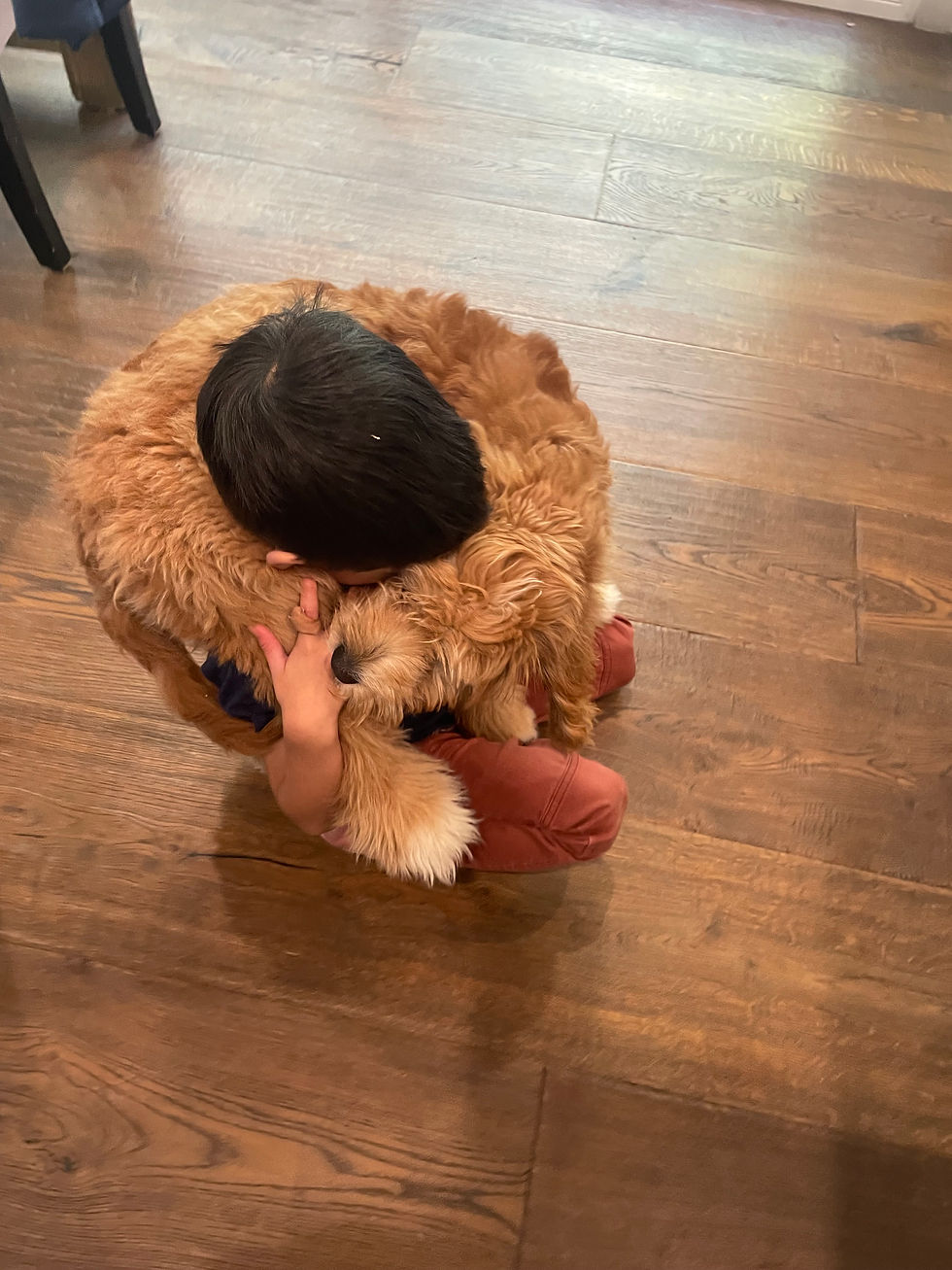


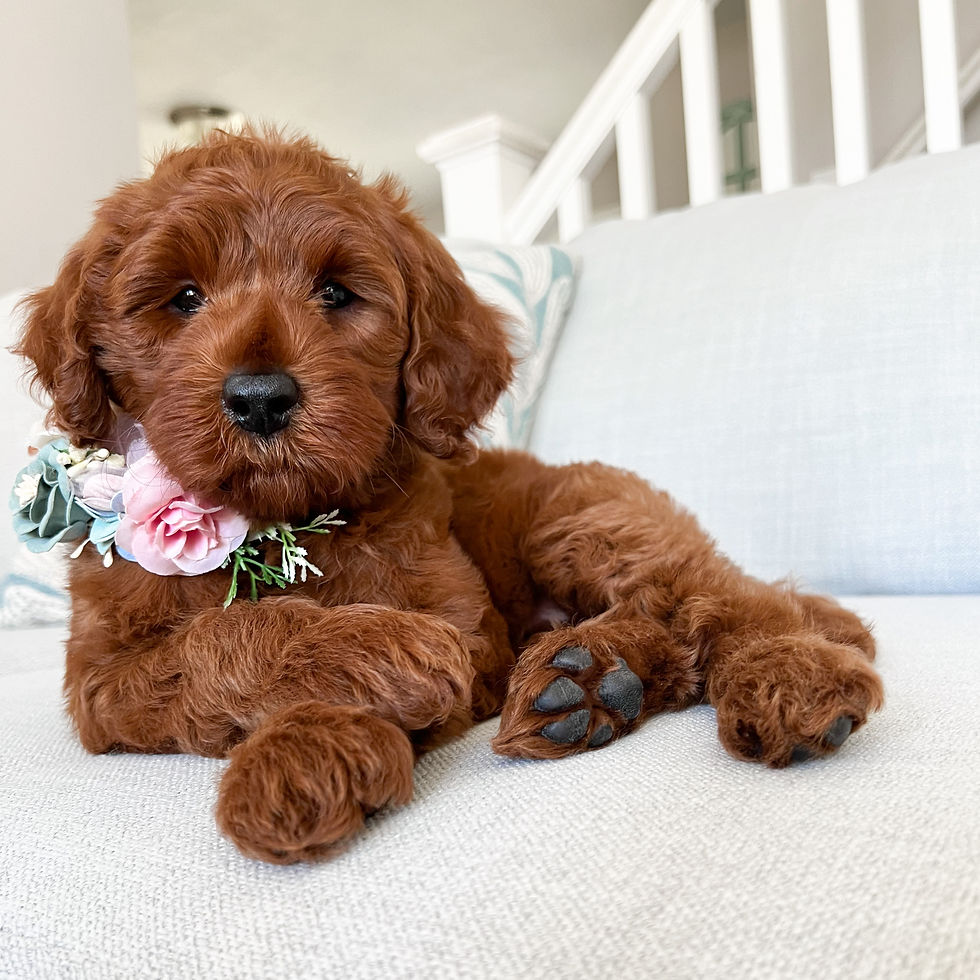


I am OBSESSED with canine genetics. Truly. I teach genetics classes to other breeders, and I will happily talk your ear off about furnishing genes. So when families ask me about Cavapoo generations (F1 Cavapoo, F1b Cavapoo, reverse F1b, multigenerational), I get genuinely excited, because this is where the real conversation about coats and shedding begins.
Here is the thing, though: a generation label is a shortcut, not an answer. Knowing that a puppy is an F1b Cavapoo tells you something useful about ancestry. It does not automatically tell you how much that puppy will shed or how curly the coat will be. Those answers live in the parents' DNA. By the end of this page, you will know exactly what to ask.
The Quick Answer: What Do Cavapoo Generations Mean?
Generation labels are shorthand for the breeds in a puppy's immediate family tree. Genes are inherited individually, not as a tidy, guaranteed percentage of traits, but the labels are a helpful starting point:
-
F1 Cavapoo: 50% Cavalier King Charles Spaniel / 50% Poodle
-
F1b Cavapoo: F1 Cavapoo x Poodle = 25% Cavalier / 75% Poodle
-
Reverse F1b Cavapoo: F1 Cavapoo x Cavalier = 75% Cavalier / 25% Poodle
-
Multigenerational Cavapoo: Cavapoo x Cavapoo of any percentage
Why the Generation Label Is Not the Whole Story
Two puppies from two different F1b litters can have noticeably different coats, one soft and low-shedding, one shaggier and more prone to shedding, because their parents carried different combinations of furnishing, curl, and low-shed genes. The generation tells you the approximate Cavalier-to-Poodle ratio; it does not tell you which copies of each gene a puppy inherited.
So the most important question to ask any breeder is not just "Is this litter F1 or F1b?" It is "What furnishing and low-shed results do the parents carry?" No generation label guarantees hypoallergenic traits, low shedding, or better health on its own.
What Is an F1 Cavapoo?
An F1 Cavapoo is a first-generation cross: one purebred Cavalier King Charles Spaniel parent and one purebred Poodle parent. F1 = 50% Cavalier / 50% Poodle.
My Cuddle Cavapoos include F1 pairings, specifically a Cavalier dad crossed with a small Moyen Poodle mom. The Cavalier side brings sturdier bones and muscle and that sweet, affectionate nature, and the Poodle side brings the coat genetics that help us work toward low-shedding outcomes.
Typical F1 Cavapoo Coat Expectations
F1 Cavapoos typically end up with one furnishing copy. Cavaliers carry zero copies of the furnishing gene (often referred to as RSPO2, or the IC locus), and many Poodles carry two. When you cross them, puppies generally inherit one copy from the Poodle side and land right in the middle.
Furnishings create that longer facial hair, beard, and eyebrows most people picture when they think "doodle." One furnishing copy means hair rather than fur, which is a meaningful difference. Exactly how the coat looks and sheds still depends on other genes in the mix.
Why an F1 Cavapoo May Still Shed
No, but yes. Let me explain: Cavapoos are considered hypoallergenic, and many people think of them as non-shedding. However, every dog sheds about as much as a human does.
The furnishing gene matters most for shedding. The low-shed gene (often referred to as MC5R) mostly sets softness. An F1 with one furnishing copy will typically shed less noticeably than an unfurnished dog, but it is not automatically no-shed. That brings us to the F1b.
What Is an F1b Cavapoo?
An F1b Cavapoo is an F1 Cavapoo bred back to a Poodle: F1b = F1 x Poodle = 25% Cavalier / 75% Poodle. This is the comparison most people mean when they ask about F1 vs. F1b Cavapoos, and the reason it comes up so often is coats.
F1b Cavapoo Coat and Furnishing Possibilities
F1b Cavapoos can typically have one or two furnishings. The F1 parent commonly carries one furnishing copy and the Poodle parent commonly carries two, so depending on which copies each puppy inherits, a litter can land anywhere from one to two furnishings.
Extra Poodle genetics can also make curlier coats more likely, though curl still varies puppy to puppy. Living animals are beautifully unpredictable.
Is an F1b Cavapoo Better for Allergies?
I would rather be honest with you than tell you what sounds good. Here is how I think about it:
-
Two furnishings shed less than one furnishing.
-
Two furnishings plus two low-shed gene copies gives you the least-shedding, softest coat, and that is the combination best suited to families managing allergies.
-
Two furnishings with no low-shed copies still sheds less, but the coat is coarser and may bother some allergy sufferers.
"Hypoallergenic" is not an absolute promise. Every person's sensitivities are different, and every puppy's coat comes from the specific genes its parents pass on, not the generation label. Ask the breeder for the parents' furnishing and low-shed DNA results; that tells you far more than "F1b" ever could.
What Is a Reverse F1b Cavapoo?
A reverse F1b Cavapoo is an F1 Cavapoo bred back to a Cavalier King Charles Spaniel: Reverse F1b = F1 x Cavalier = 75% Cavalier / 25% Poodle. This generation is less common, and there is a clear reason for that.
Why Some Reverse F1b Cavapoos Shed More
Cavaliers carry zero furnishing copies, and an F1 Cavapoo typically carries one. A reverse F1b puppy can therefore inherit zero or one furnishing copy, and some puppies end up unfurnished: a fur coat that sheds noticeably, more like a Cavalier.
That does not make the reverse F1b a bad generation. Coat outcomes can simply vary a lot within one litter, so careful genetic planning and breeder transparency matter even more. If you are considering one, ask specifically what furnishing copies each parent carries.
What Is a Multigenerational Cavapoo?
A multigenerational Cavapoo is a Cavapoo bred to another Cavapoo of any percentage. This generation is rising in popularity, and I breed multigenerational Cuddle Cavapoos alongside my F1 pairings.
Here is the caveat I always share: not all multigens are equal. "Multigen" alone does not tell you the Cavalier-to-Poodle ratio, the furnishing results, or how thoughtfully the parents were chosen. Research the breeder's genetics knowledge before anything else.
Multigenerational Cavapoo Coat Genetics
Multigenerational Cavapoos can typically have zero to two furnishings. The range is wider than in F1 or F1b litters because the ancestry can vary so much depending on what each Cavapoo parent carries. When parents are chosen with their DNA results in mind, coat outcomes can become more predictable, but "multigen" is never an automatic guarantee of low shedding.
Multigenerational Cavapoos and Health Planning
One thing I find genuinely exciting about thoughtful multigenerational breeding is that it can raise the Cavalier percentage and work toward better coats and health. The Cavalier's temperament and silky softness are worth preserving.
Health outcomes are still not guaranteed by any generation label. Ask any breeder how they select parents for a multigen pairing, what health testing they use, and what they are trying to accomplish genetically. A good answer to that question tells you a lot.
Furnishings, Low-Shed Genes, and the Coat Traits That Matter Most
If you only remember one thing from this page, remember this: generation is the shortcut; the parents' DNA is the answer.
Coat outcomes generally trace back to three traits:
-
Furnishings (the doodle look: beard, eyebrows, longer facial hair): often referred to as RSPO2, or the IC locus
-
Low-shed trait (mostly sets softness): often referred to as MC5R
-
Curl (how wavy or curly the coat is): often referred to as KRT71
These are separate traits. Curly does not mean low-shed. Soft does not mean furnished.
Furnishings: The Biggest Shedding Clue
-
Zero furnishings: Fur; sheds noticeably
-
One furnishing copy: Hair rather than fur
-
Two furnishing copies: Sheds less than one copy
Embark DNA testing reports furnishing status, so it is one of the first things to ask about for both parents. For a deeper look at how furnishings affect real-world shedding, read my full Do Cavapoos Shed? guide.
Low-Shed Genes: More About Softness Than Furnishings
This surprises a lot of people. All Cavaliers carry two low-shed gene copies, yet they still shed because they have zero furnishings. Silky does not mean low-shedding. Many Poodles, on the other hand, carry two furnishings and zero low-shed copies. Furnishings and the low-shed trait work together, but they do not do the same job, and the softest, least-shedding combination is two furnishing copies plus two low-shed copies.
Curl Is Its Own Genetic Trait
Curl is generally Poodle-derived, and extra Poodle genetics in F1b or multigen lines can make curlier coats more likely. A curlier puppy is not automatically a lower-shedding puppy, so please do not choose a puppy based on curl alone. Ask for the furnishing results.
What Wonderful World Doodles Breeds and Why
I breed two types of Cuddle Cavapoos: F1 (Cavalier dad x small Moyen Poodle mom) and multigenerational (Cavapoo x Cavapoo). The generation label is just a description of the pairing; the parents' DNA is what I study.
How I Use DNA Testing in My Breeding Program
My parent dogs go through:
-
Embark DNA testing for 175+ diseases
-
Animal Genetics testing when deeper testing is needed
-
OFA evaluations by a certified veterinarian
Because so many scammers steal my pictures, I do not post my parent dogs' results publicly, but I am always happy to email or text them to you privately. Just ask. Health testing gives me information for responsible breeding decisions; it is not a crystal ball, and it is not a promise beyond my 2-year health guarantee. You can read more about my Cavapoo health testing and why families choose us.
Questions to Ask Before Choosing an F1, F1b, or Multigen Cavapoo
The right fit depends on your coat goals, lifestyle, grooming expectations, and whether the breeder can back up their claims. Here is what I would ask:
-
What are the parents' furnishing results?
-
What are the parents' low-shed and curl results?
-
Are the parents health tested, and what testing was completed?
-
How often will this coat need brushing and professional grooming?
For any Cavapoo, regardless of generation, plan on daily brushing and a professional groom every 2–4 months. And if your family has allergy concerns, please talk to your doctor or allergist. I can tell you everything about furnishing genes; I cannot tell you how your immune system will respond to a specific dog.
If you have made it this far, you officially know more about Cavapoo generations than most people researching for months. Take a look at my upcoming litters, fill out a puppy application, or find me on Instagram at @wonderful_world_doodles.
Frequently Asked Questions
What is the difference between an F1 and F1b Cavapoo?
An F1 Cavapoo is a purebred Cavalier King Charles Spaniel crossed with a purebred Poodle, 50% Cavalier and 50% Poodle. An F1b Cavapoo is an F1 bred back to a Poodle, 25% Cavalier and 75% Poodle. The practical difference is usually coat: F1s typically have one furnishing copy, while F1bs can have one or two, depending on the parents' DNA.
Do F1b Cavapoos shed less than F1 Cavapoos?
Often, but the label does not guarantee it. The extra Poodle parent raises the chance of inheriting two furnishing copies, and two furnishings shed less than one. Two puppies with the same label can still shed differently, so ask for both parents' furnishing and low-shed results.
What is a reverse F1b Cavapoo?
A reverse F1b Cavapoo is an F1 Cavapoo bred back to a Cavalier, about 75% Cavalier and 25% Poodle. It is less common because some puppies end up with zero furnishings, which means a fur coat that sheds noticeably. Ask about furnishing results for both parents before committing.
Are multigenerational Cavapoos more predictable?
They can be, when the breeder intentionally selects parents for coat and health rather than just labeling a litter "multigen." Because multigens are Cavapoo x Cavapoo of any percentage, their genetic makeup can vary widely. Research the breeder's genetics knowledge; it matters.
What does "two furnishings" mean in a Cavapoo?
Furnishings are the gene behind the doodle look, the longer facial hair, beard, and eyebrows, and they are the biggest factor in whether a coat sheds like hair or fur. A dog can carry zero, one, or two copies. Zero means fur that sheds noticeably, one means hair rather than fur, and two copies shed less than one.
Which Cavapoo generation is best for allergies?
No generation is a guaranteed allergy-safe choice, because sensitivities vary and every dog sheds about as much as a human. The coat most likely to suit allergy-sensitive families is two furnishings plus two low-shed copies. Ask the breeder for both parents' DNA results and talk to your doctor or allergist about your specific sensitivities.